
- 40ft container HCMC to US West Coast: $2,300 to $3,500 all-in (April 2026, FBX13).
- Transit: 14 to 18 days to LA, 28 to 35 days to NY via Panama.
- Tariffs: 10% Section 122 surcharge replaced the 20% reciprocal rate after V.O.S. Selections v. Trump (Feb 20, 2026). Expires July 24, 2026.
- De minimis ($800) suspended. Formal entry required even for FBA parcels.
- Ship via Cai Mep, file ISF 24h before vessel loading.
On this page
- How much does it cost to ship from Vietnam to the USA in 2026?
- How long does shipping from Vietnam to the USA take?
- What tariffs apply to Vietnamese goods in April 2026?
- What documents do you need to import from Vietnam?
- Which Incoterm and which port?
- When should you ship to avoid Tết and peak season?
- FAQ
Your Vietnam landed-cost spreadsheet is wrong. SCOTUS killed the 20% tariff, de minimis died, Hormuz spiked freight 40%. Below: tariff stack, current rates, hidden fees, Tết and Q3 calendar.
How much does it cost to ship from Vietnam to the USA in 2026?
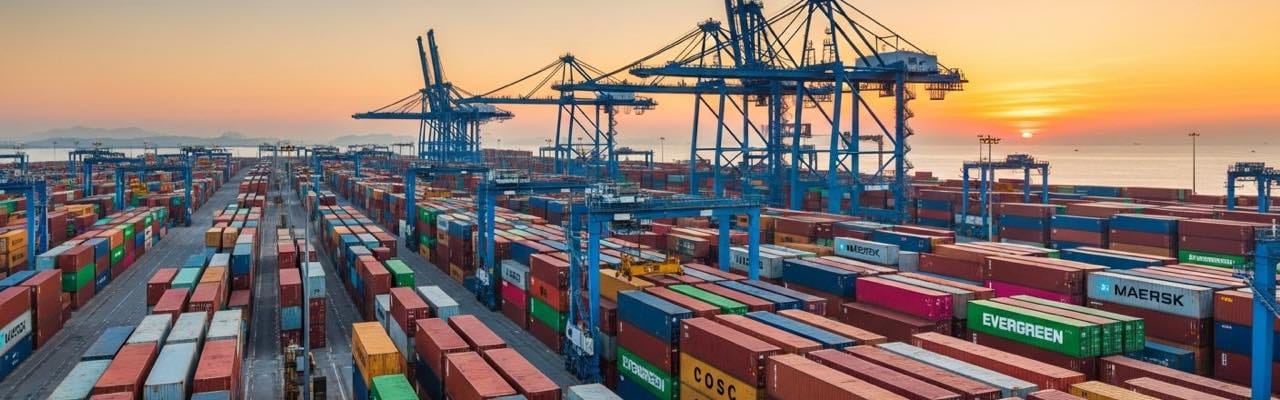
Ocean FCL ranges from $1,400 to $2,200 per 20ft. Count $2,300 to $3,500 per 40ft to the West Coast, $3,300 to $4,800 per 40ft to the East Coast.
LCL averages $120 to $250 per CBM. Air freight runs $4.50 to $7.00 per kg above 500 kg. Express courier sits at $15 to $35 per kg.
Estimator: Vietnam to USA shipping cost
Spot ranges April 2026 (FBX13 + 3 NVOCC quotes). Freight only. Duty calculated separately.
Spot range only. Section 122 (10%), MFN base duty and Section 232 (steel, aluminum, copper) are billed separately by CBP. Confirm with your forwarder before booking. Get a tailored quote with your HTS code and exact volume.
FCL ocean freight rates (Cai Mep to US ports)
Cai Mep deep-water terminal serves LA, Long Beach, Oakland, Seattle, NY/NJ, Savannah, Norfolk and Houston directly. Spot rates April 2026 sit at $2,300–$3,200 per 40ft on HCMC to LA per FBX13. HCMC to NY runs $3,300–$4,500.
Rates are 10–30% below the August 2025 peak but already 40% above the February 2026 floor. The Hormuz tanker incident on March 4 redeployed Suez tonnage and tightened transpacific capacity within ten days.
| Route | 20ft (USD) | 40ft (USD) | Transit (days) |
|---|---|---|---|
| HCMC to Los Angeles | $1,400–$2,000 | $2,300–$3,200 | 14–18 |
| HCMC to Long Beach | $1,450–$2,100 | $2,400–$3,300 | 14–18 |
| HCMC to Seattle | $1,550–$2,200 | $2,600–$3,500 | 17–22 |
| HCMC to New York | $2,100–$2,900 | $3,300–$4,500 | 28–35 |
| HCMC to Savannah | $2,000–$2,800 | $3,200–$4,400 | 28–34 |
| HCMC to Houston | $1,900–$2,700 | $3,000–$4,200 | 26–32 |
| Sources: FBX13 week 17, three NVOCC quotes April 22, 2026. | |||
LCL and consolidation pricing
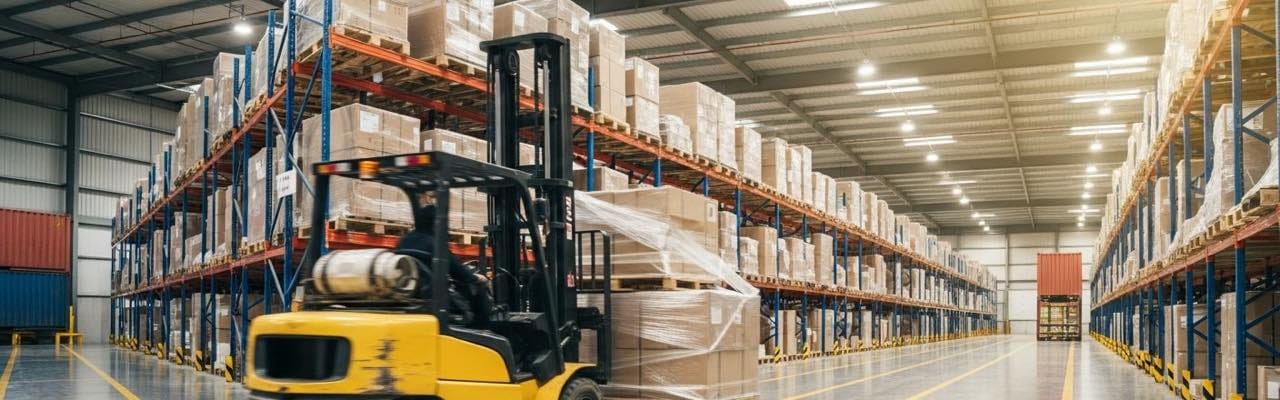
LCL beats FCL when the shipment stays under 13 to 15 CBM. All-in HCMC to LA runs $120 to $200 per CBM; HCMC to NY costs $180 to $250.
Minimum charge is one CBM at around $130. Origin and destination CFS fees of $150 to $250 apply per shipment, fixed regardless of volume. That is where most LCL surprises hide.
Air freight by weight bracket

HCMC to LAX rates by weight bracket:
- Under 45 kg: $7.50 to $11/kg
- 45 to 100 kg: $5.50 to $8.50/kg
- 100 to 300 kg: $4.50 to $7/kg
- Above 500 kg: $3.80 to $5.80/kg
JFK and ORD add roughly $1/kg over LAX. No direct freighter exists between HCMC and the US: cargo transits Taipei, Hong Kong, Singapore or Incheon. Door-to-door runs 3 to 5 days.
The hidden costs that double the bill
The advertised ocean rate is roughly half the real bill. Add these on top of every 40ft container:
| Cost item | Amount (USD, per 40ft) |
|---|---|
| THC origin (Vietnam) | $180–$250 |
| THC destination (US) | $450–$650 |
| ISF filing | $30–$50 |
| Customs broker (per entry) | $75–$200 |
| Drayage, LA basin | $350–$800 |
| Demurrage (after 4–7 free days) | $175–$300/day |
| MPF (capped FY2026) | up to $651.50 |
| HMF | 0.125% of cargo value |
On a $50,000 cargo, realistic landed-freight cost lands at $4,100–$6,200 per FEU before duty.
How long does shipping from Vietnam to the USA take?
Ocean transit runs 14–18 days port-to-port from Cai Mep to LA, 17–22 to Seattle, 28–35 to NY or Savannah via Panama. Air freight moves 3–5 days door-to-door via Asian hubs; express courier 2–5 days.
| Mode | Port-to-port | Door-to-door | Cost order |
|---|---|---|---|
| Ocean FCL | 14–35 days | +7 to +10 days | $ |
| Ocean LCL | 18–40 days | +10 to +14 days | $$ |
| Air freight | 1–2 days flight + hub | 3–5 days | $$$$ |
| Express courier | N/A | 2–5 days | $$$$$ |
Customs clearance adds 1–3 working days at LA/LB once the manifest hits CBP, assuming clean ISF and no PGA hold. FDA, USDA APHIS, EPA add 3–10 days when triggered.
What tariffs apply to Vietnamese goods in April 2026?
Vietnam imports face a 10% Section 122 surcharge on top of the MFN base duty. It runs until July 24, 2026. Steel, aluminum and copper derivatives still carry separate 50% Section 232 tariffs.
The Supreme Court ruling that changed everything

On February 20, 2026, the Supreme Court ruled 6–3 in V.O.S. Selections v. Trump that the IEEPA does not authorize “reciprocal” tariffs. CBP stopped collecting them on February 24, 2026.
The administration replaced them with a 10% Section 122 universal duty within four days under 19 USC 1862. Two facts matter: it is statutorily capped at 15%, and it expires automatically on July 24, 2026 unless Congress extends.
How tariffs stack on Vietnamese imports
Total landed duty = MFN base + Section 122 (10%) + Section 232 (where applicable) + AD/CVD (where applicable). The cumulative effect catches most importers off guard.
| Product (HTS) | MFN base | Section 122 | Section 232 | Total duty |
|---|---|---|---|---|
| Cotton men’s shirt (6205.20) | 19.7% | 10% | N/A | 29.7% |
| Wooden bedroom furniture (9403.50) | 0% | 10% | 25% (steel derivative) | 35% |
| Footwear leather (6403.99) | 8.5% | 10% | N/A | 18.5% |
| Steel pipe (7306.30) | 0% | 10% | 50% | 60% |
| Solar panel cell (8541.42) | 0% | 10% | + AD/CVD | >100% |
HTS 9403.50 carries 0% MFN, so importers budget for Section 122 only. They miss that any product with derivative steel content triggers Section 232 at 25% on the steel portion. Always classify the steel content separately.
The 40% transshipment penalty survives
The 40% tariff on goods rerouted through Vietnam to evade China duties is enforced under 19 USC 1592 (customs fraud), not IEEPA. It survives the SCOTUS ruling intact.
Substantial transformation requires real change in name, character or use. Practical CBP thresholds: Vietnamese local value content above 30%, manufacturing beyond simple assembly, 6-digit HTS change between input and output. For high-risk products, get a CBP binding ruling. It is free, 30–60 day turnaround, valid 5 years.
What documents do you need to import from Vietnam?
Eight documents are non-negotiable for any formal entry from Vietnam:
- Commercial Invoice
- Packing List
- Bill of Lading
- Certificate of Origin (VCCI Form B)
- ISF 10+2 filing
- CBP Form 3461 (entry)
- CBP Form 7501 (entry summary)
- Customs Bond (single-entry or continuous)
Add PGA permits where applicable: FDA, USDA APHIS, FCC, CPSC, EPA, Lacey Act.
ISF 10+2: the filing that breaks 30% of first imports
File the Importer Security Filing at least 24 hours before vessel loading at the Vietnamese port, not before US arrival. Filing late triggers $5,000 per violation, capped at $10,000 per shipment. CBP issued over 20,000 ISF penalties in FY2025.
The ten data elements CBP requires:
- Seller
- Buyer
- Importer of Record
- Consignee
- Manufacturer
- Ship-to party
- Country of Origin
- HTSUS (6-digit minimum)
- Container Stuffing Location
- Consolidator
Most common rejection reasons: HTSUS at 4 digits instead of 6, mismatched manufacturer address, missing stuffing location.
De minimis is dead, even for Vietnam
Section 321 ($800 duty-free) was suspended globally on August 29, 2025 through EO 14324. The One Big Beautiful Bill Act eliminated it statutorily, full effect July 1, 2027.
Vietnam is now treated like China: every commercial shipment requires a formal entry, regardless of value. E-commerce parcels, Amazon FBA inbounds, DTC samples, all require ISF, customs bond and broker filing.
Which Incoterm and which port?
FOB Cai Mep or FOB Hai Phong (Incoterms 2020) covers more than 70% of containerized trade. Avoid EXW. It creates exporter-of-record problems in Vietnam. Avoid DDP too: it exposes Vietnamese sellers to US tariff volatility most are not equipped to absorb post-SCOTUS.
FOB remains dominant despite the ICC’s preference for FCA. Letters of credit still require “on-board” Bills of Lading. CIF works only if you trust the supplier’s freight markup. Typical hidden margin runs 8 to 15% on the freight component.
Cai Mep beats Cat Lai for US-bound cargo
Three Vietnamese terminals matter for US-bound cargo:
| Port | Direct US lanes | Vessel size | Best for |
|---|---|---|---|
| Cai Mep–Thi Vai | 22 of 25 | ULCS 18,000+ TEU | South Vietnam factories, fastest US transit |
| Cat Lai (HCMC) | Feeder only | Up to 18,000 TEU, congested 24–48h | Domestic and intra-Asia, avoid for US |
| Lach Huyen (Hai Phong) | Direct US service | ULCS 14,000+ TEU | North Vietnam (Hanoi, Bac Ninh) |
Routing through Cai Mep instead of Cat Lai saves $200 to $400 per FEU plus 5 to 7 days by skipping Singapore transshipment.
When should you ship to avoid Tết and peak season?

Tết 2026 (Year of the Fire Horse) runs February 14 to 22. Real disruption stretches from late January through mid-March. Place purchase orders by December 15, 2025; confirm bookings before mid-January.
Key Tết-related production and shipping pressures:
- New orders frozen: 6 to 8 weeks before Tết.
- Workforce week 1 after Tết: roughly 35% of capacity.
- Permanent attrition: about 25% of workers do not return.
- QC variance elevated: 4 to 6 weeks post-holiday (VITAS data).
- Chinese New Year stacking: CNY February 17, 2026 the same week, compounding transpacific blank sailings.
Q3 2026: the Section 122 expiry question
Peak Season Surcharges typically activate August 1, $300 to $800 per FEU on West Coast lanes. Three signals point to a sharper Q3 2026:
- Section 122 expires July 24. If Congress doesn’t extend, importers will front-load Q3 to lock the 10% rate.
- Hormuz residual. Asia-Med rates remain elevated, constraining tonnage available for transpacific redeployment.
- NAC tenders close June 2026. Above 100 FEU/year, lock 12-month contracts before close. Below, lock 3-month index-linked rates by mid-July.
Ship what you can before July 20. The Section 122 expiry plus Q4 election cycle make late July through October the worst window for predictable costing in 2026.
FAQ
Cheapest way to ship from Vietnam to the USA?
LCL ocean freight under 13 CBM at $120 to $250 per CBM. FCL wins above. Air costs 4 to 6× more. Only worth it for urgent or high-margin goods.
Do I need a customs broker?
Not legally required, but practically necessary for any formal entry. Fees $75 to $200 per entry, continuous bond $500 to $700/year.
Are Vietnam tariffs still 20% in 2026?
No. The 20% reciprocal rate was struck down February 20, 2026. The replacement is a 10% Section 122 surcharge expiring July 24, 2026 unless Congress extends.
Best port for US-bound cargo?
Cai Mep–Thi Vai for southern Vietnam, Lach Huyen for the north. Cat Lai handles feeder traffic only and adds 5 to 7 days through Singapore transshipment.
Need a partner on the ground in Vietnam?
Sourcing Agent Vietnam handles factory selection, QC, FOB shipment and customs paperwork from Ho Chi Minh City. Clients ship into LA, NY, Savannah and Houston every week.

I work at the core of Vietnam’s manufacturing ecosystem, managing account management so every client, from big to small, is taken care of closely, from factory selection to QC and shipping, and being the person you call when something goes sideways.
- Strongest in furniture & garment sourcing
- Direct negotiation in Vietnamese & English
- On the ground inside the factories
- Direct line to vetted Vietnamese factories